2027 presidential race: David Lisnard enters the top 5 of the Le Point-Cluster17 barometer
The mayor of Cannes records the strongest rise in the monthly barometer that the Cluster17 institute publishes for Le Point: 25 percent popularity, six points gained and fourteen places, ahead of Bruno Retailleau and Édouard Philippe. The Elabe institute confirms the momentum, and the Cluster17 study on primaries, published on Tuesday, sheds light on the battle opening on the right. Translated from French.
Translated from the French original. Lire en français
The rise comes from the institute itself. In its November personalities barometer, published on Monday for Le Point, Cluster17 credits David Lisnard with 25 percent popularity, up six points in a month. The mayor of Cannes gains fourteen places, moving from 19th to 5th in the national ranking, and records, according to the institute, the strongest rise of the month.
Ahead of Retailleau and Philippe
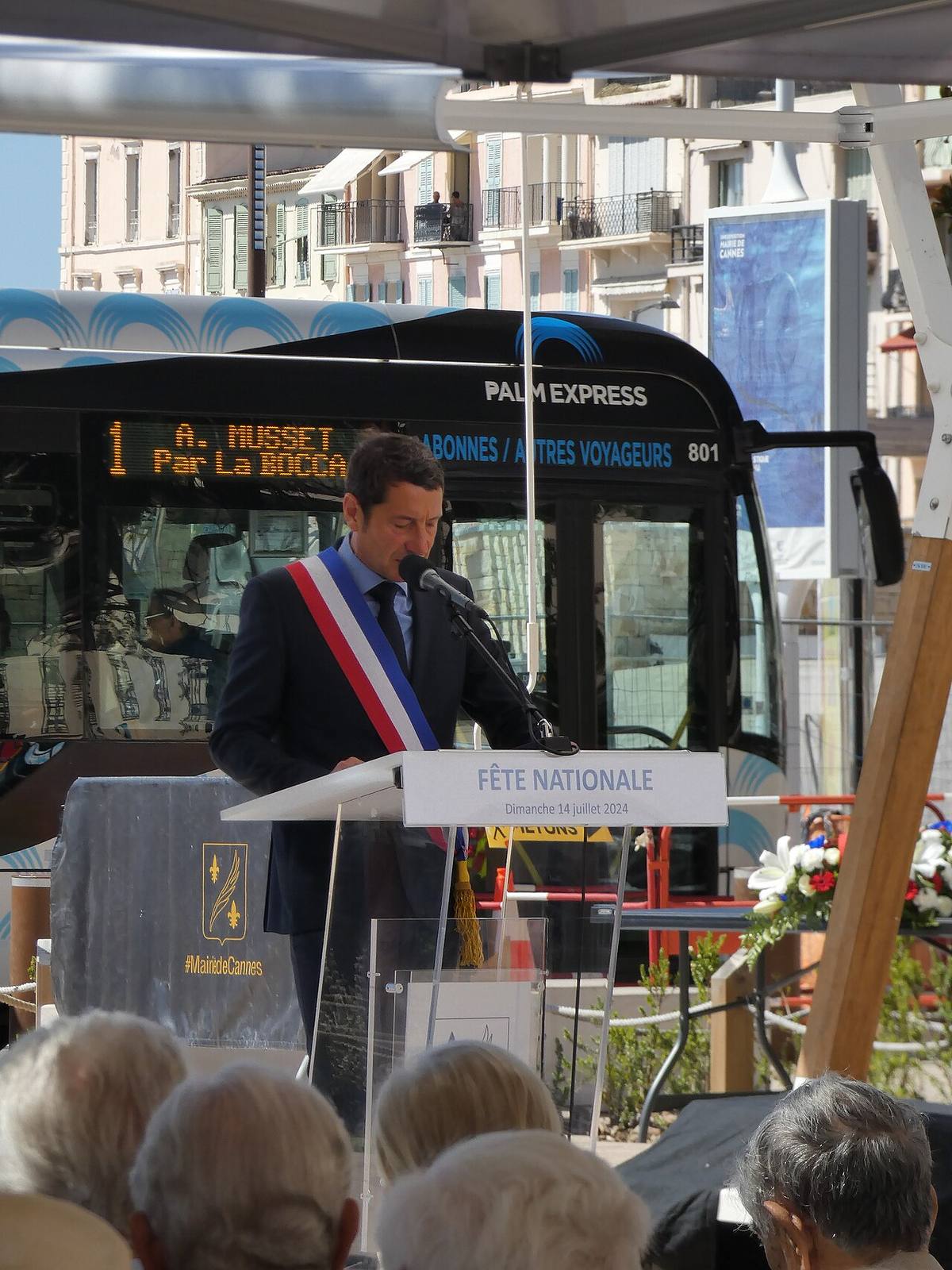
The Cannes mayor now stands ahead of Bruno Retailleau, president of Les Républicains, credited with 24 percent, and Édouard Philippe, on 22 percent. At the top of the ranking, Marine Le Pen keeps first place with 35 percent popularity, ahead of Jordan Bardella on 32 percent. Jean-Luc Mélenchon and Dominique de Villepin, on 26 percent each, still stand one point ahead of the mayor of Cannes, and Marion Maréchal reaches the same level as him, 25 percent, in sixth place.
The detail published by Cluster17 shows where the breakthrough is happening. Among Les Républicains voters at the 2024 European elections, David Lisnard reaches 72 percent popularity, against 69 percent for Bruno Retailleau, with firmer support, 53 percent against 37 percent. Among Emmanuel Macron voters in the first round of the 2022 presidential election, his popularity rises to 31 percent, up fifteen points, while that of Édouard Philippe falls by nine points in that same electorate, to 60 percent.
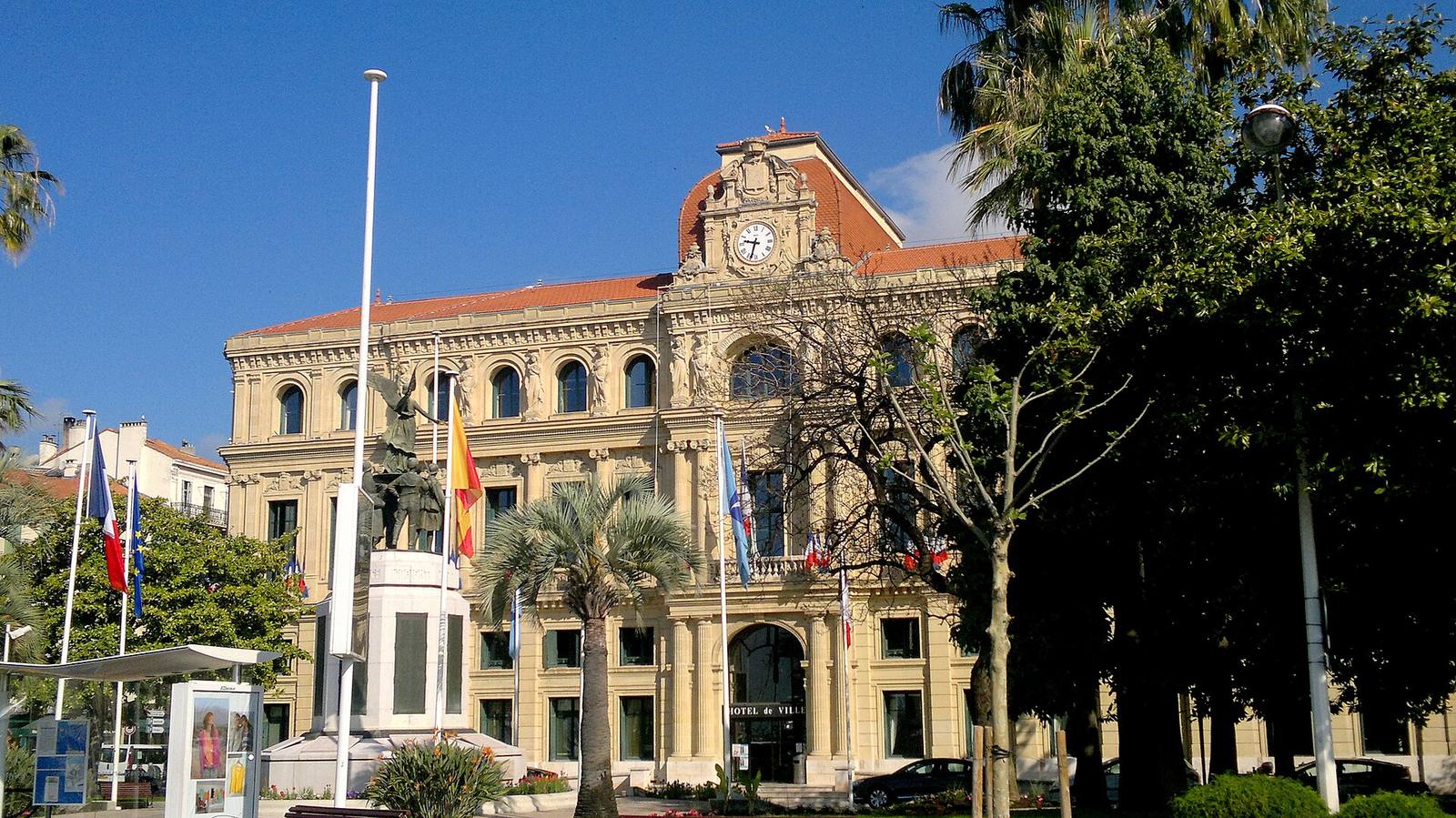
Macron at his lowest, Elabe confirms the trend
At the other end of the Cluster17 ranking, Emmanuel Macron falls to 12 percent popularity, down five points, in 33rd place among the 37 figures tested, with 78 percent unfavourable opinions, the highest rejection in the ranking. His action rating drops to 1.9 out of 10, his lowest level since this barometer began. The institute also notes the fall of Prime Minister Sébastien Lecornu, on 23 percent, down three points.
The Elabe political observatory, published on 5 November after a survey carried out on 3 and 4 November among 1,004 adults, points the same way for the mayor of Cannes. His positive image there also rises by six points, to 22 percent, in eleventh place, with 34 percent positive opinions among Emmanuel Macron voters and 37 percent among those of Marine Le Pen and Éric Zemmour. At Elabe, it is trust in the President of the Republic that falls to 13 percent, the lowest level ever measured by that barometer.
The primary, the other front
Then there is the question of how the candidate should be chosen, which lies at the heart of the Cannes candidacy. In a study published on Tuesday, carried out for Le Point on 2 and 3 November among 2,405 French adults, Cluster17 counts 46 percent of respondents in favour of the principle of a primary, against 35 percent opposed and 19 percent undecided. None of the six scenarios tested, however, wins a majority: the most supported would bring together a wide field, from Gabriel Attal to David Lisnard, including Édouard Philippe, Xavier Bertrand and Bruno Retailleau, and gathers 33 percent favourable opinions against 49 percent opposition.
David Lisnard, mayor of Cannes since 2014 and president of Nouvelle Énergie, left Les Républicains on 31 March to run his own candidacy for the 2027 presidential election, after Bruno Retailleau was designated without a primary. These barometers measure popularity and image, not voting intentions: they sketch a momentum as the 2027 election approaches, not yet an electoral balance of power.