Cinema for Space opens its second edition this Thursday at the Palais des Festivals
Translated from French. Four days of screenings and debates between cinema and space exploration, from 19 to 22 November. Opening tonight in the Salle Debussy brings together astronaut Thomas Pesquet and director Mathieu Kassovitz, before a screening of First Man.
Translated from the French original. Lire en français
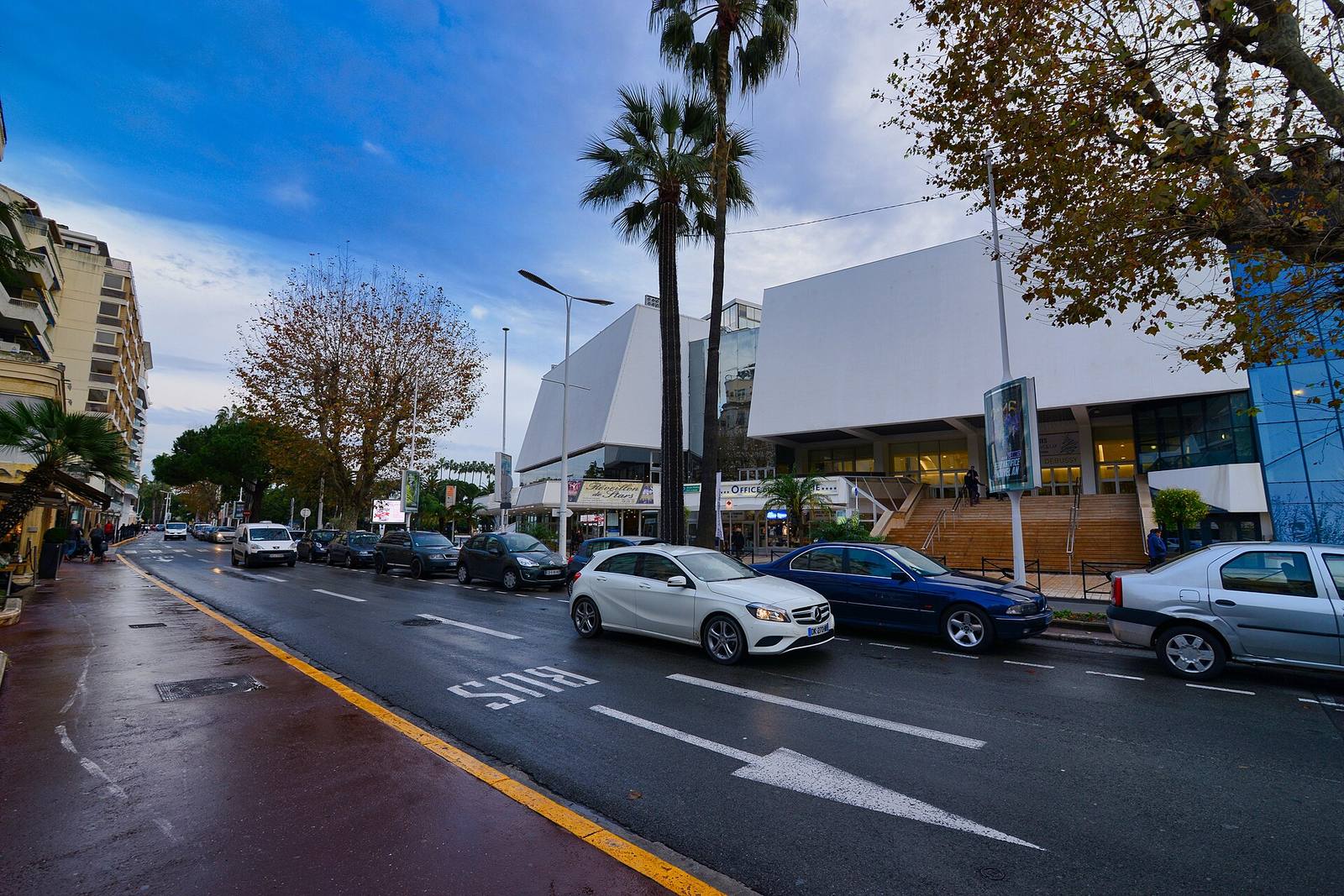
From this Thursday, the Palais des Festivals hosts a festival unlike any other Cannes fixture. Cinema for Space, an international film festival devoted entirely to space, opens its second edition for four days, until Sunday 22 November, between the Salle Debussy and Auditorium A. The event is organised by the association Les Amis du Temps Presse, in partnership with the Fondation de l'Espace, and was created in collaboration with that same foundation, according to the festival's official website.
The principle rests on a conviction the organisation has repeated since the first edition: films make sometimes little known scientific subjects accessible, and looking at space helps us understand what space technologies already bring to everyday life on Earth. Directors, actors, astronauts and researchers therefore cross paths over four days, around screenings, debates and meetings open to the public, bookable through the festival box office.
Pesquet and Kassovitz to open, First Man to launch
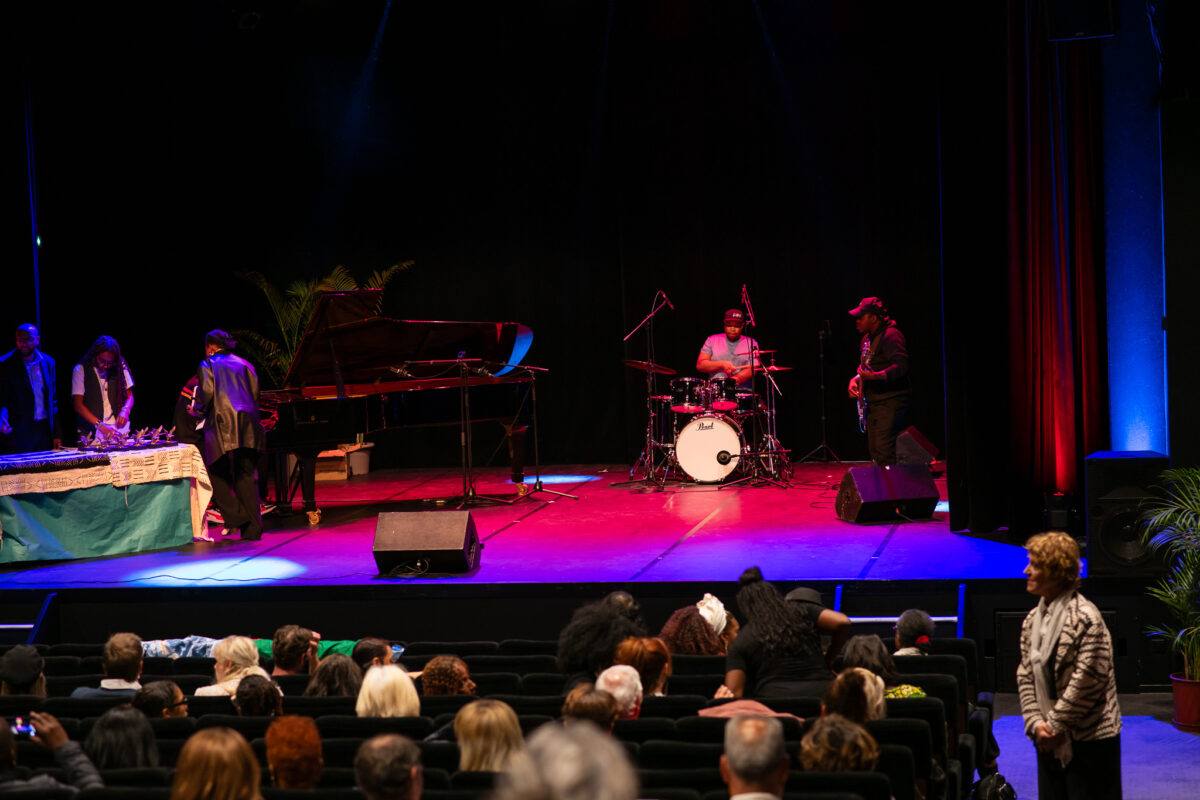
The opening ceremony takes place this Thursday at 7 pm in the Salle Debussy. It brings on stage Thomas Pesquet, astronaut, and Mathieu Kassovitz, actor and director, for a conversation about space exploration, human adventure and the way cinema shapes how we look at space and at our planet. The astronaut had himself announced the evening on Wednesday on his LinkedIn account, presenting it as a dialogue about life in orbit and the place of space in cinema. The ceremony will be followed, at 8 pm, by a screening of First Man, Damien Chazelle's film about the first man on the Moon, according to the official programme published by the organisation.
On Friday, the public becomes the jury
Friday belongs to this edition's two new programmes. From 2 pm in Auditorium A, the Entre Terre et Espace competition presents films by companies and agencies from the space sector, and the public votes to choose the winners, notably in the innovation, space exploration and environmental impact categories. At 4 pm, animated short films made by students from animation schools take over, before the awards at 5 pm. The organisation notes that this session is free and open to all. In the evening, at 8 pm, Steven Spielberg's Close Encounters of the Third Kind will be followed at 10:20 pm by a debate on the question of life elsewhere in the Universe, with Frédéric Courtade, director of GEIPAN, and astrophysicist Alice Maurel.
Saturday, from climate to the stars
On Saturday at 2 pm, a meeting session looks at space and climate change, with Frédéric Bretar of CNES and palaeoclimatologist Jean Jouzel: how satellites help monitor the climate and bring concrete solutions to daily life. At 4:30 pm, the documentary Terre à l'horizon, by Eliott Marceau, asks how space ambitions can be reconciled with preserving the Earth, with a debate at 6:10 pm. The evening ends at 8 pm with Passengers, by Morten Tyldum, followed at 10 pm by a debate on our readiness to live in space, with actress Camille Aguilar and Caroline Freissinet, a CNRS researcher at the LATMOS laboratory.
Sunday, Earth seen from above, then Contact to close
The final day begins at 9:30 am with Nature, pour une réconciliation, Yann Arthus-Bertrand's documentary, followed at 11:15 am by a debate with the director and astronaut Jean-François Clervoy on space science in the service of the Earth. The afternoon continues with two meeting sessions, one on the space base of tomorrow, the other on the secrets the Universe still keeps. The closing ceremony, at 5:30 pm in the Salle Debussy, will open with a conversation on the place of women in science and space exploration, with Valentine Bonifacie, a pioneer of space computing, and Bruno Solo, before a screening of Contact, by Robert Zemeckis. For Cannes, which builds satellites as much as it hosts festivals, these four days bring two of its identities together.